« Oh Yeah | Main | The Taxman, and Mexicans, Cometh »
April 8, 2009
How To Build an Empire Merely by Getting Your People to Do What You Want Them To Do
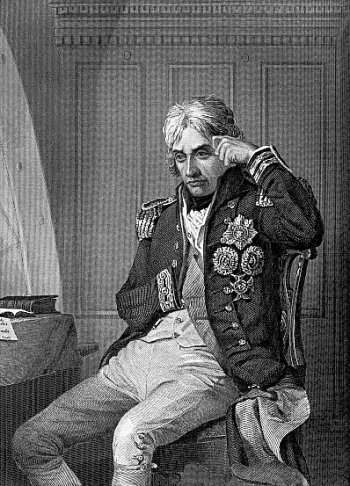
One of the disappointments of the professional life of an economist is that we spend so much of our time on sometimes (OK: always, beyond a certain point) tiresome and arcane methodological issues. To be sure, these are important: the difference between an instrument providing a local or population average effect can be really important for drawing, say, policy conclusions; the parametric assumptions behind a sample selection correction method can vastly influence model performance and hence the take-home (yes, policy once again) message from a given estimation exercise; the semantics can be really important (say, what do you mean by "structural"?); etc. etc.
The trouble of course is that we can sometimes feel as if we spend all our time sweating the details, never enjoying the chance to contemplate the big, sweeping ideas. Above all you can spend a lot of time as a professional economist without really tackling a problem through the lens of our field.
That's why a paper like "The British Navy Rules: Monitoring and Incompatible Incentives in the Age of Fighting Sail" serves as the kind of refreshing, fun and free intellectual vacation from everyday economics that soothes this Dismal Scientist's soul.
It basically tackles a simple but fascinating question: why was the British royal navy so dominant in the great age of fighting sail (roughly 1670-1827)? They had no real advantages over their opponents in resources, technology, etc. And their captains and crews had to fight under the constant threat of British cuisine.
Moreover, it was an odd age because you basically handed the keys to a stunning fighting machine over to the captain and then, limited communications of the time being what they were, had virtually no ability to monitor his actions. It was in that captain's interest to follow his own interests: French captains often went after the low-hanging fruit of less heavily armed but valuable commercial prizes more to their own personal advantage than their King's (he of course wanted to sweep the enemy navy from the seas) and wherever possible avoided fighting enemy navies (and hence did not put much work into preparing for a fight they had no intention of making anyway).
British warships, by comparison, generally behaved in a fashion much closer to what their Admirality wanted them to do: seek to engage their heavily-armed enemy naval opponents and with maximum aggression. But knowing that you were going to face this terrible trial by fire created all kinds of incentives for British captains to have their crews as battle-ready as possible (get off three shots to their two and all that).
In other words, there was a principal-agent problem created by the technology of the time that British somehow solved whereas their opponents such as the French did not. And the rest was (British Imperial) history.
This paper argues that the British solved these problems by developing a set of tactics and operational principals that got the incentives for Captains and their officers more or less right. In other words, they got those captains and officers to do what the admirality wanted, and not what their own narrow self-interest might have dictated.
This is not merely some historical curiosity, either: it is a great way of thinking about a basic challenge that confronts us in our own everyday lives (do you have a doctor? dentist? repairman? employees not constantly under your gaze? anyone that you want faithfully carry out some task per your objectives, but who might have their own objectives and you cannot easily monitor and evaluate their actions?).
Posted by dag at April 8, 2009 9:37 AM